

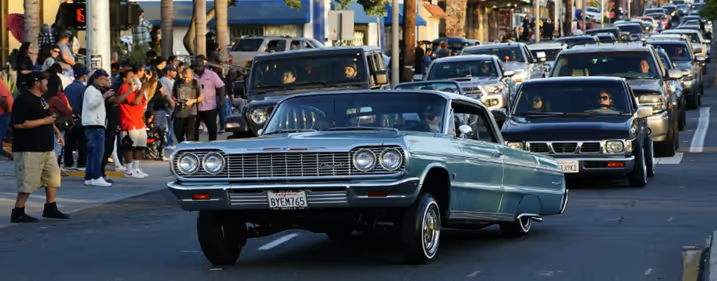
California has long been a hotbed of automotive culture, thanks to its diverse population and thriving car scene. Among the many automotive subcultures to emerge in the Golden State, few have captured the imagination quite like lowriders. Born from creativity, cultural expression and a love for automobiles, lowriders have become an integral part of California's history and left a lasting mark on the automotive world.
What Is a Lowrider?
A lowrider is the product of automotive customization: a vehicle modified with a lowered suspension that brings it closer to the ground. That low stance is only the beginning. Lowriders often feature elaborate paintwork in vibrant colors, intricate designs and custom graphics, along with accessories such as chrome accents, custom wheels and specialty lighting.
One defining feature is the hydraulic suspension, which lets the driver raise or lower the car at the flip of a switch, creating dramatic visual effects and even making the car "dance." Beyond transportation, lowriders are a form of self-expression and cultural identity. They originated in Chicano communities in the United States and embody a blend of art, craftsmanship and automotive ingenuity.
Origins of the Lowrider Movement and Cultural Expression
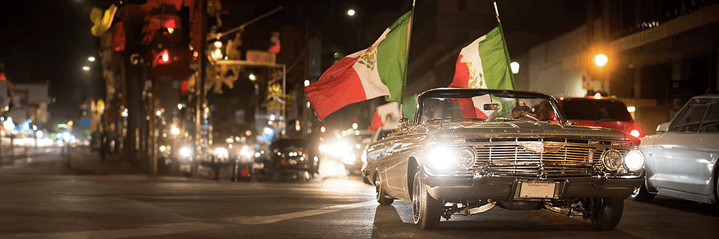
The roots of the lowrider movement trace back to Mexican American communities in California after World War II. In the 1940s and 1950s, Mexican American car enthusiasts began customizing their vehicles to reflect their cultural identity and personal style. Early lowriders featured lowered suspensions, intricate paint jobs and distinctive modifications that set them apart from mainstream cars of the time, a deliberate contrast to the "hot rod" culture that favored raised, fast machines.
Lowriders became a powerful symbol of Chicano culture, representing pride, creativity and resilience. A customized car was a canvas for self-expression, letting owners showcase their artistic talents and honor their heritage. Over time, lowriders were adorned with murals, pinstriping, chrome accessories and custom upholstery, making each one a unique work of art.
As lowriders grew in popularity, they faced significant challenges from law enforcement and social prejudice. In 1958, California law made it illegal to drive a car with any part of the body lower than the bottom of its wheel rims. Builders responded with ingenuity, adapting aircraft hydraulic parts so their cars could be raised to a legal height on the road and lowered again when parked. Many cities also passed "anti-cruising" ordinances, viewing lowriders as a nuisance or associating them with gang activity. In response, lowrider clubs and organizations formed, building community and pushing back against negative stereotypes through car shows, cruises and community events that showcased the beauty and craftsmanship of the culture.
Mainstream Recognition and Influence
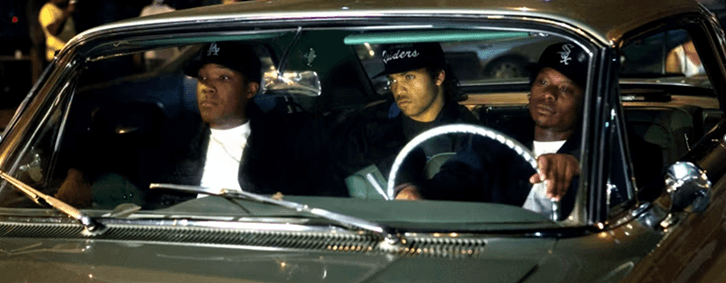
In the 1960s and 1970s, lowriders began gaining attention far beyond their neighborhoods. Their artistry and attention to detail caught the eye of the wider public, and media coverage grew alongside a dedicated fan base. Lowrider magazine, founded in 1977, helped carry the culture nationwide and into movies, music and fashion.
Lowriders have made memorable appearances on screen as powerful symbols of Chicano culture, resilience, identity and community pride, in films such as Boulevard Nights (1979), American Me (1992) and Mi Vida Loca (1993). The 2016 film Lowriders explores the East Los Angeles lowrider scene through a father, his sons and their shared passion for these custom cars. Music videos such as Kid Frost's "La Raza" and Dr. Dre's "Let Me Ride" brought lowriders to an even wider audience, and they have appeared on television shows like George Lopez. Through these portrayals, lowriders have become icons of art, style and cultural pride for audiences around the world.
The influence of lowriders on the automotive world is hard to overstate. Techniques developed within the community, from candy and pearl paint finishes to hydraulic and air suspension systems, have shaped custom car design and the aftermarket industry, leaving an enduring mark on automotive style and engineering.
Cultural Legacy and Preservation
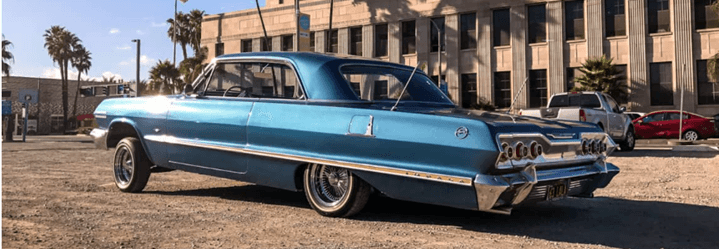
Today, lowriders are celebrated as cultural icons and works of art. Car shows and cruise nights dedicated to lowrider culture draw enthusiasts from around the world, including right here in the Central Valley, and museums such as the Petersen Automotive Museum in Los Angeles have featured lowrider exhibitions so future generations can understand their cultural impact.
The history of lowriders in California is a unique blend of automotive customization, cultural expression and community pride. Emerging from marginalized communities, lowriders have crossed boundaries to become a symbol of resilience, creativity and heritage. Their influence can be seen in car design, aftermarket modifications and popular culture, and as California continues to evolve, lowriders remain a testament to the power of art, individuality and an enduring passion for cars.
Keep Reading
Celebrate Car Culture With Us
Mercedes-Benz of Fresno is proud to be part of the Central Valley's car community. Visit us at 7055 N Palm Ave or call (559) 254-4585.